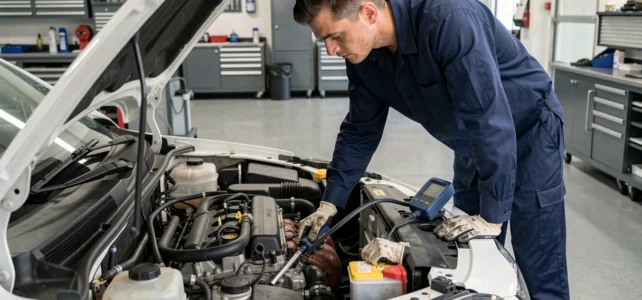
A new car leaves the factory with optimal settings and fresh fluids. However, the first months of driving subject the mechanical parts to a real break-in that is not visible to the naked eye. The first service of a new vehicle is precisely intended to check how the entire system has handled this initial phase and to correct what needs to be addressed before the manufacturer’s warranty becomes a point of contention.
Electronic diagnostics and manufacturer applications: what has changed in monitoring
Paper maintenance logs still exist, but most manufacturers now offer digital tracking. Renault directs its customers to the My Renault, My Dacia, or My Alpine apps to find out the exact timing of the first service. Stellantis and other groups have equivalent systems integrated into connected vehicles.
The benefit of these tools goes beyond just reminding of dates. The embedded electronic diagnostics record actual usage conditions: frequency of cold starts, brake usage, average engine temperature. This data allows the technician to target the points to check during the first service of a new car rather than going through a generic checklist.
Field feedback varies on this point. Some owners report that the dashboard alert triggers well before the mileage indicated in the paper log, while others say it never appears. The most reliable recommendation remains to cross-reference both sources: the app and the maintenance log.

First service for electric or hybrid vehicles: different checks
The majority of online content addresses the first service from the perspective of the thermal engine. However, Renault specifies that a service is still necessary for electric and hybrid cars, with adapted checks.
In an electric vehicle, there is neither an engine oil change nor an oil filter to replace. However, the regenerative braking system, the high-voltage battery cooling circuit, and the entire power electronics system are subject to specific diagnostics. Brake pads wear much less quickly thanks to regenerative braking, but the calipers can seize if not inspected.
In a hybrid, the complexity increases: two powertrains coexist, and each requires its own checks. The thermal engine undergoes a classic break-in while the electric system accumulates charge and discharge data. Not servicing a hybrid on the grounds that it “drives very well” amounts to ignoring half of its mechanics.
Concrete content of the first service: beyond the oil change
Reducing the first service to just an oil change is a common mistake. Here’s what it actually covers according to manufacturer data:
- Engine oil change and oil filter replacement, with oil whose viscosity and standard meet the manufacturer’s specifications (a point to check on the quote if you go through an independent garage)
- Complete electronic diagnostics: reading fault codes, possible update of the engine management software, checking sensors
- Verification of safety components: brakes, steering, suspension, lighting, tires (wear and pressure)
- Checking levels of brake fluid, coolant, and windshield washer fluid
- Visual inspection of the underbody, hoses, and connections to detect possible leaks
The electronic diagnostics deserve special attention. On a new vehicle, it can reveal software anomalies that the driver does not perceive while driving. For example, a poorly calibrated tire pressure sensor at the factory may not always trigger an alert but skews the measurements.
Manufacturer warranty and service: the contractual link not to underestimate
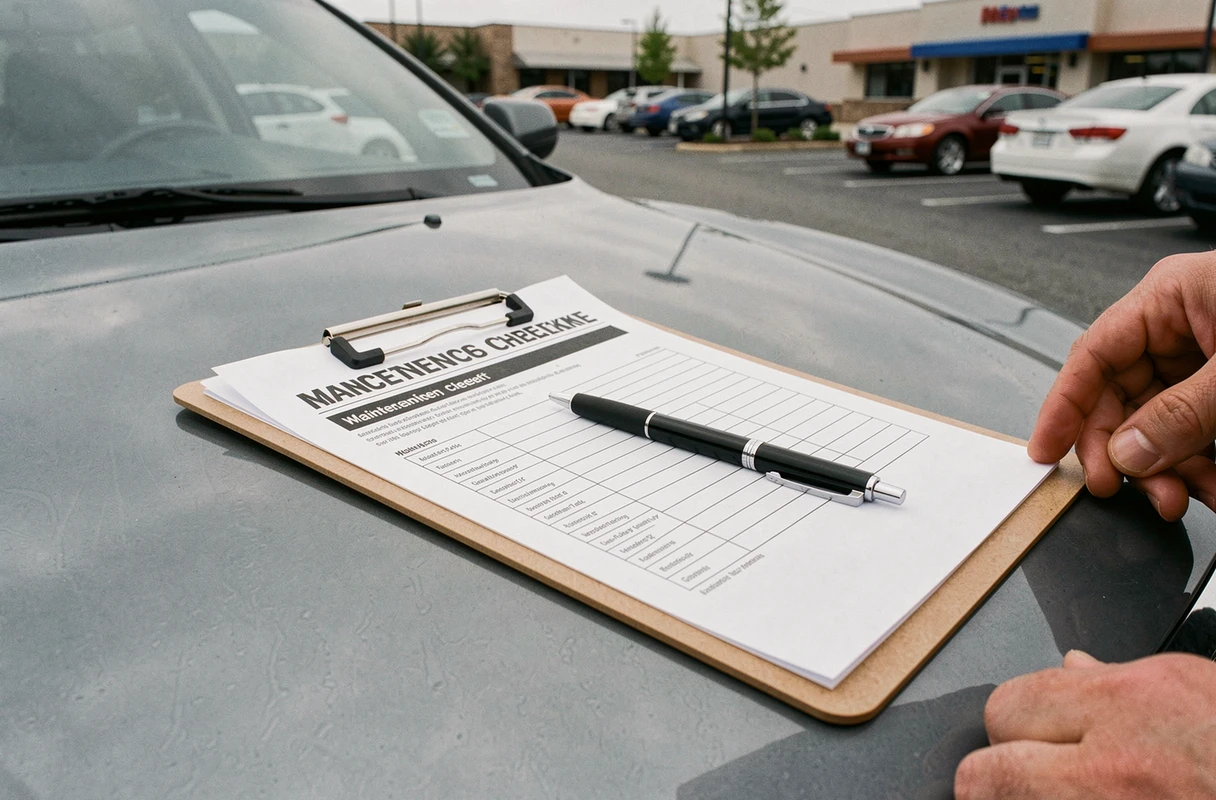
Renault explicitly states: failure to meet the service deadline may result in the loss of the manufacturer’s warranty. Most brands apply the same logic, although the exact conditions vary from one contract to another.
The most common trap concerns owners who drive little. With low annual mileage, the mileage deadline seems far away. However, the deadline in months still arrives. The first service generally occurs between one and two years after registration, regardless of the odometer. Oil and fluids degrade over time, not just with mileage.
Another contractual point to clarify before choosing a garage: since the European regulation on free competition, you are not required to have your service performed at the dealership. An independent garage can carry it out without voiding the warranty, provided it adheres to the manufacturer’s recommendations and uses equivalent quality parts. Always ask for the maintenance log to be stamped and for the invoice to detail the operations, part references, and oil standards used.
Comparing service quotes: lines to check
The cost of a first service varies significantly from one provider to another. To compare effectively, ask for the breakdown of the package rather than a total price. Several elements allow you to judge the transparency of a quote:
- The viscosity and standard of the engine oil (check their compliance with the maintenance log)
- The standard labor time, meaning the billed duration of labor for each operation
- The exact references of the replaced parts, including the filter
A quote that does not mention either the oil standard or the standard labor time lacks transparency. This is not necessarily a sign of bad faith, but it complicates any serious comparison. Do not hesitate to request these details in writing before confirming the appointment.
The first service of a new car lays the foundation for the entire maintenance history of the vehicle. A well-documented log from this stage facilitates resale, reassures a future buyer, and protects your warranty. Whether the vehicle is thermal, hybrid, or electric, the deadline remains the same: do not wait for something to malfunction before opening the hood.