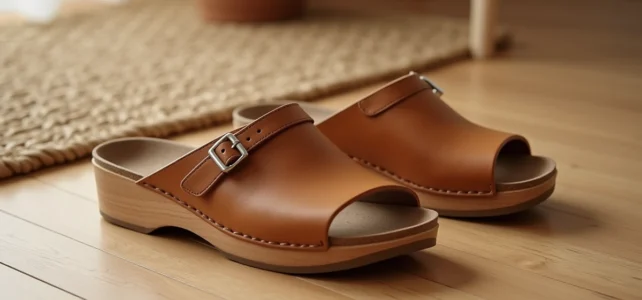
Dr Scholl shoes have been occupying the shelves of pharmacies and supermarkets for over a century, positioned between foot care and everyday comfort. Their promise, to relieve tired or painful feet, relies on technical insoles and studied shapes. The question that structures this article focuses on a specific point: where is the line between a mass-market comfort product and a true medical device capable of correcting a foot pathology?
Dr Scholl Shoes and Orthopedic Shoes: What the Regulations Say
The confusion between comfort shoes and orthopedic shoes persists among many consumers. The table below contrasts the two categories based on concrete criteria related to French regulations and the care pathway.
| Criterion | Dr Scholl Shoes (comfort) | Custom Orthopedic Shoes |
|---|---|---|
| Regulatory Status | Mass-market comfort product | Medical-surgical material |
| Medical Prescription | Not required | Mandatory (prescription) |
| Social Security Reimbursement | None | Covered via LPP |
| Manufacturing | Industrial, standard sizes | Specialized workshop, custom-made |
| Targeted Pathologies | Fatigue, daily discomfort | Diabetic feet, deformities, postural corrections |
Since January 1, 2022, the LPP operates on individual codes rather than generic codes. This regulatory shift more strictly defines what can be labeled as a reimbursable medical device. Dr Scholl shoes, which do not have dedicated LPP specifications, remain outside this scope.
This point is not trivial. It means that no pair of Dr Scholl shoes can claim to correct or compensate for a structural foot pathology in the medical sense. For more information on Mam’Zell Plume, the topic is detailed from the perspective of benefit or real risk for the feet.

Dr Scholl Insoles: Felt Comfort vs. Biomechanical Correction
The range of Dr Scholl insoles is the flagship product of the brand. The most common models (gel insoles, “energy 24h” insoles) target cushioning and the reduction of foot fatigue. The immediate feeling is often positive: the foot rests on a softer surface, and pressure under the heel decreases.
However, this comfort does not correct anything biomechanically. A comfort insole absorbs shocks, but it neither alters the foot’s axis nor the distribution of pressure points. For a bunion, plantar fasciitis, or a pronounced hollow foot, the Dr Scholl insole masks the pain without addressing its cause.
The main risk lies here. A user who feels temporary relief may delay a podiatric consultation, allowing a pathology to progress silently. The comfort insole then becomes not an ally, but a factor in diagnostic delay.
Criteria to Distinguish a Need for Comfort from a Medical Need
- Persistent pain beyond two weeks despite wearing comfort insoles: a signal that justifies a podiatric assessment
- Visible foot deformity (bunion, claw toes, collapsed arch): a standard insole is insufficient, a custom orthosis is indicated
- Localized pain that worsens with physical activity: a sign of tissue damage (aponeurosis, tendon) that requires a precise diagnosis
- History of diabetes or vascular disorders: diabetic foot falls exclusively under medical fitting
Durability and Value for Money of Dr Scholl Shoes
User feedback on specialized forums points to a recurring problem: the lifespan of Dr Scholl insoles and shoes remains limited. The gel cushioning loses its properties after a few months of daily use. The foam compresses, support decreases, and initial comfort gradually disappears.
This cycle leads to frequent repurchases. Over a year, the cumulative cost of several pairs of replacement insoles can approach the price of a pair of custom orthopedic insoles, partially reimbursed by Social Security and health insurance.
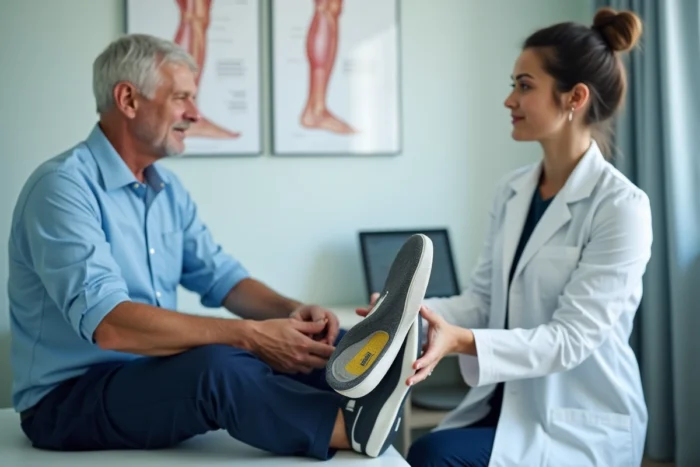
In contrast, a thermoformed orthopedic insole, made by a podiatrist, retains its corrective properties for one to two years depending on usage intensity. The real cost over time favors the custom orthosis for anyone suffering from an identified pathology.
What Dr Scholl Shoes Do Right
It would be inaccurate to reduce the brand to a mere marketing argument. For feet without specific pathology, subjected to prolonged standing (service jobs, hospital staff), Dr Scholl shoes provide superior comfort compared to a standard city shoe.
- Enhanced cushioning suitable for prolonged walking on hard surfaces
- Wide shapes that limit toe compression compared to narrow city shoes
- Breathable materials on certain models, reducing maceration and the risk of fungal infections
These qualities are not negligible. They place Dr Scholl in a useful category: preventive comfort for healthy feet, not treatment for sick feet.
When to Consult a Podiatrist Rather Than Buy Insoles at the Pharmacy
The line between comfort and medical care boils down to a simple fact. If discomfort or pain persists after two weeks of wearing a comfort insole, the mass-market product has reached its limits. A podiatric assessment can then identify the cause (static disorder, tendon damage, neuropathy) and prescribe appropriate fitting.
Dr Scholl shoes are neither a scam nor a medical substitute. They occupy a specific niche between ordinary shoes and orthopedic devices, provided the user knows which category their feet fall into. The shift to individual codes in the LPP since 2022 makes this distinction clearer than ever: what pertains to comfort remains the consumer’s responsibility, while what pertains to care falls within a regulated and reimbursable medical pathway.